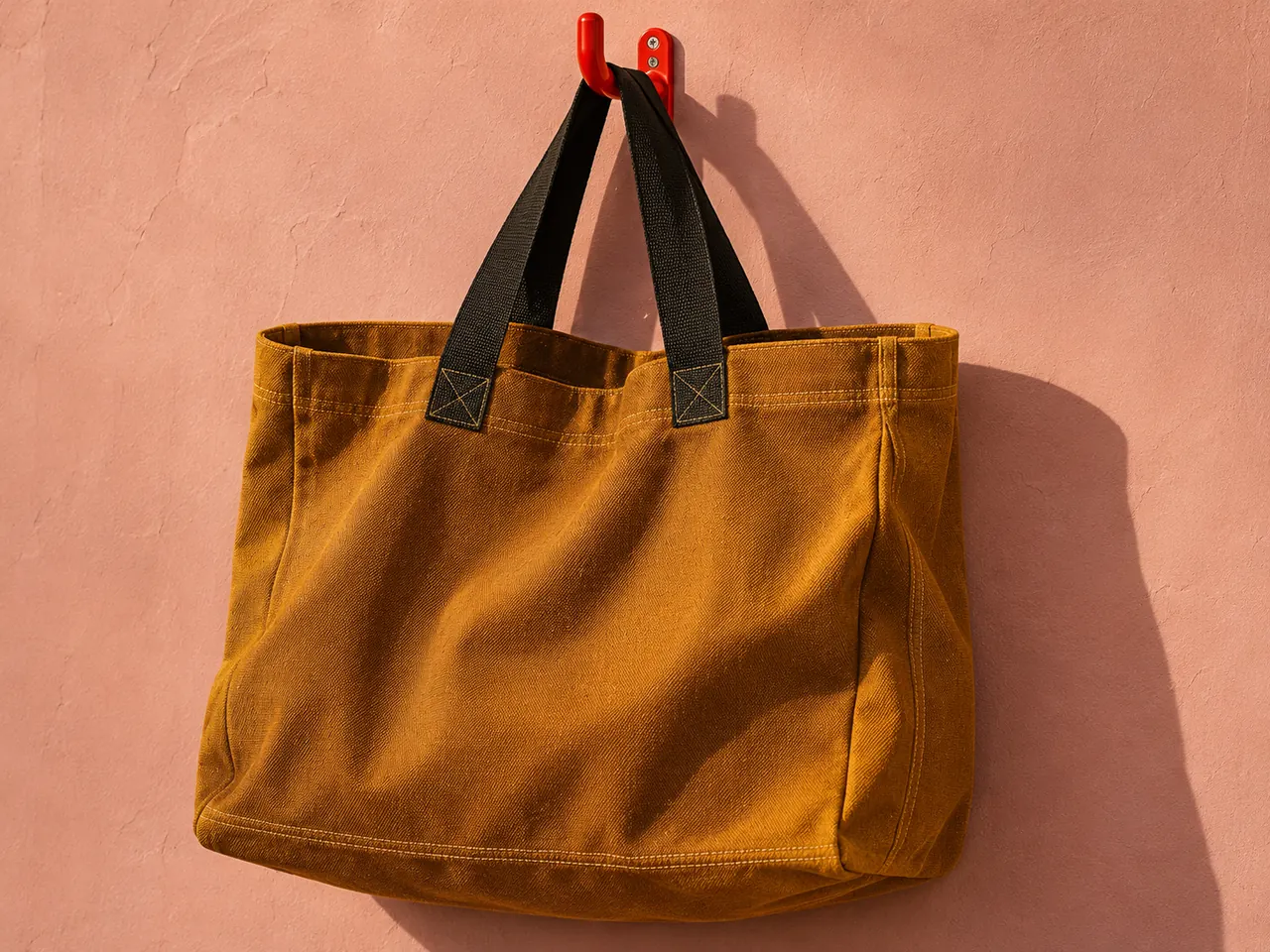
What makes a good tote?
A canvas tote for the weekly shop and a spare bag that fits in a coat pocket earn their keep in different ways.
A date, a material and an object number give you three ways back into a work you thought you knew.
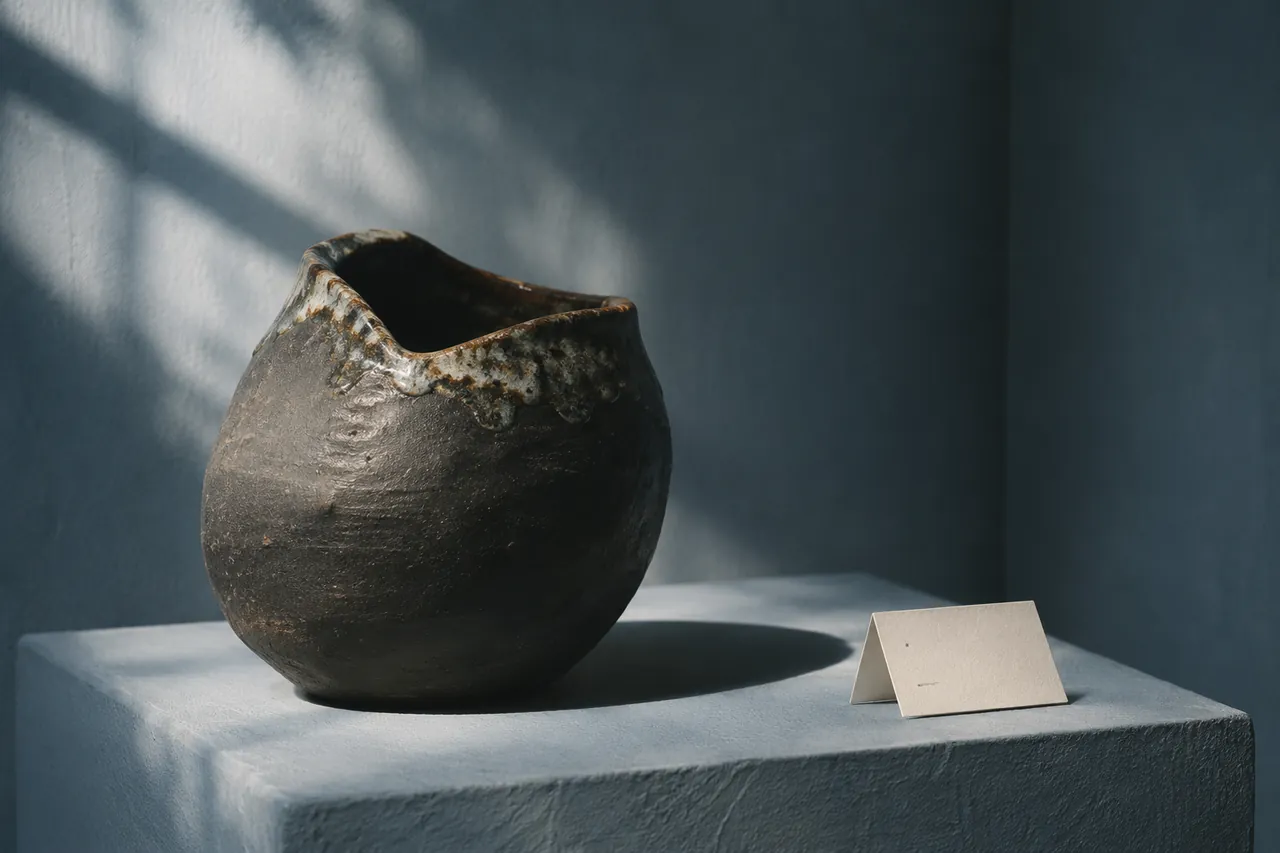
Start with a minute in front of an object while its label is still unread. Pick one detail that holds your attention. A crease, a colour along an edge, the space between two shapes. Then read the card with that small question in mind. Suddenly the driest line of type has something to answer.
For a practice run, open the Metropolitan Museum of Art’s record for Hokusai’s Great Wave, object JP10. It identifies a woodblock print in ink and colour on paper and gives the dimensions as 24.4 by 35.7 cm. Mark that rectangle out on a table. A wave that fills a laptop screen now has the size of an actual sheet in front of you.
Look again at the mountain inside the hollow of the wave. The full title places the print in Hokusai’s series of views of Mount Fuji. A small triangle in the distance suddenly has a claim on your attention.
The same record dates the work to about 1830–32. Farther down, 1914 appears beside the Rogers Fund in the credit line. The two dates belong to different stories. The first places the print in the artist’s lifetime. The second sits with the record of how this particular sheet entered the collection.
This is worth remembering when reading a wall card quickly. A collection can spend a single line on an acquisition that happened decades after an object was made. Reading the heading keeps those histories in order.
The Met also catalogues a Great Wave impression with the number JP2972. Its sheet has different recorded dimensions. Search the familiar title alone and either object may turn up. Search the museum and the number together and you can return to the exact impression you meant.
At the end of a visit, write down one object number beside a few words about what you noticed. You have a reference precise enough to find again, and a question worth bringing back to it.
These links go directly to the sources. Our editorial standards
A canvas tote for the weekly shop and a spare bag that fits in a coat pocket earn their keep in different ways.
One vivid seat can change how a whole room reads. The trick is deciding where the red should stop.