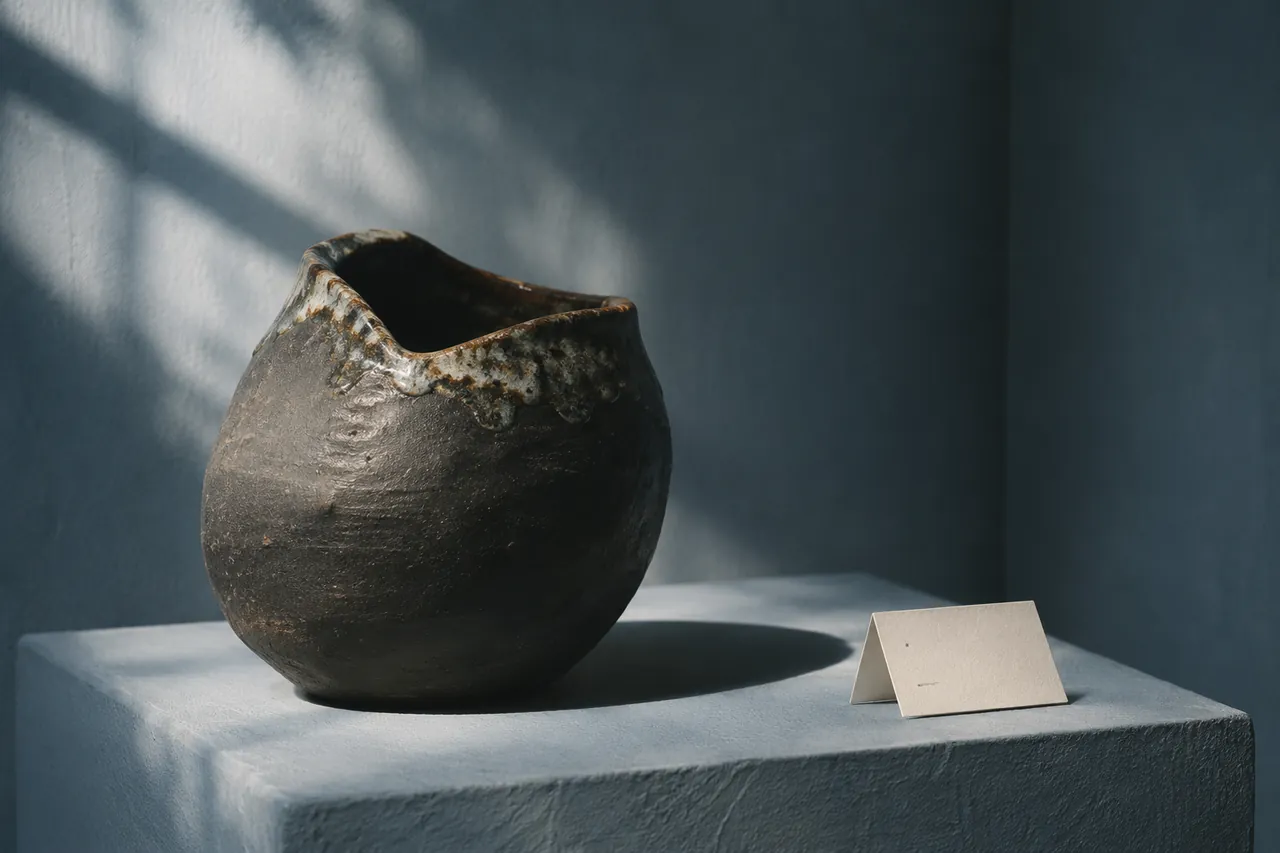
Read the little museum label.
A date, a material and an object number give you three ways back into a work you thought you knew.
A canvas tote for the weekly shop and a spare bag that fits in a coat pocket earn their keep in different ways.
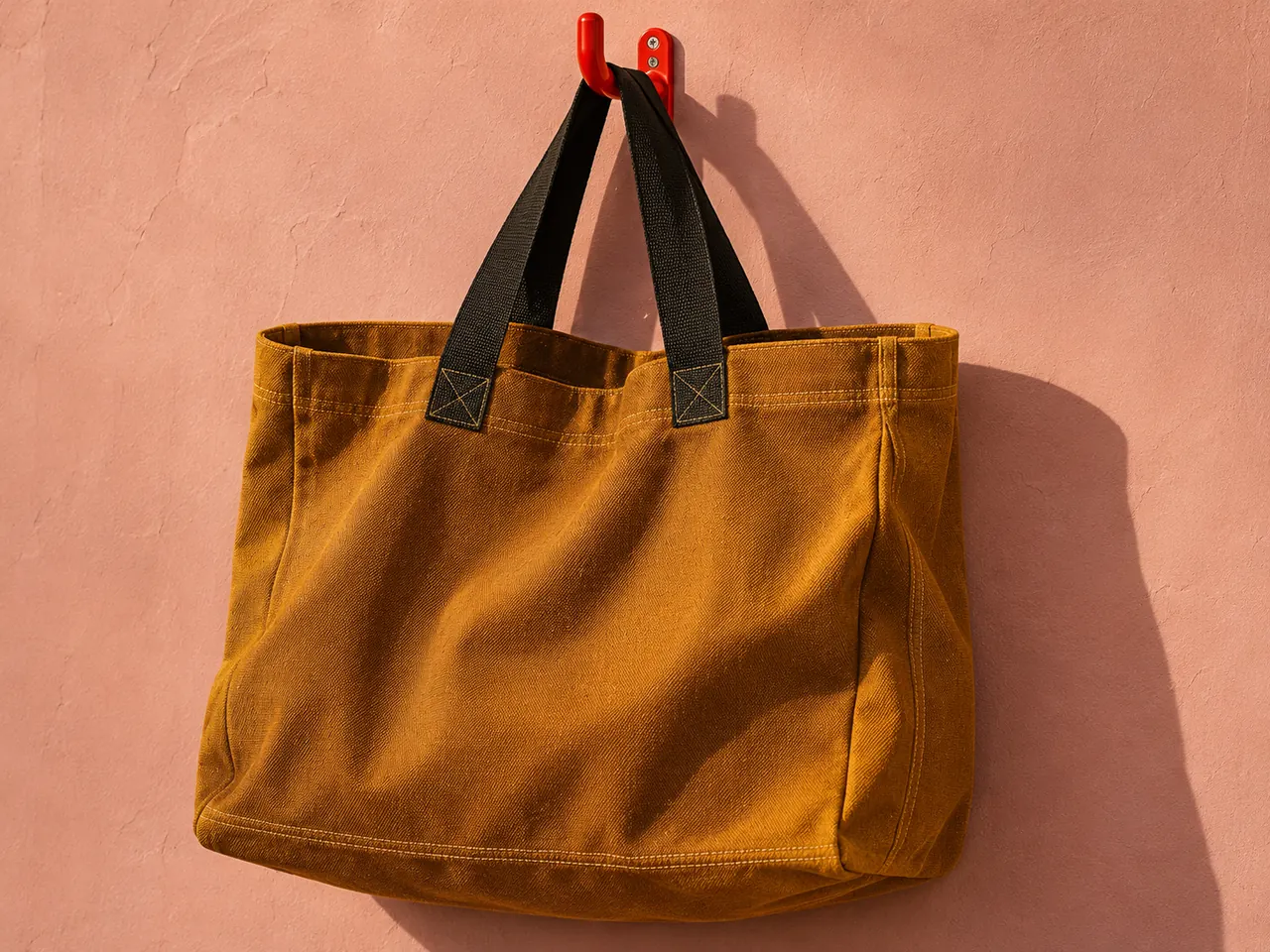
The most revealing part of a tote is the first few centimetres above the floor. A folded corner opens into a useful base. A flat seam lets the whole bag disappear into a coat pocket. A good choice begins with a small inventory of what you carried home yesterday.
Take the widest thing you carry regularly. It might be a square lunch box, a library book or a box of eggs. Measure its short side and compare that with the base depth of the bag. A generous opening can still lead to a narrow bottom that makes a lunch box travel on its side.
L.L.Bean’s medium open-top Boat and Tote measures approximately 33 cm across and 15 cm deep, according to its specifications. The maker describes heavyweight canvas, reinforced handles and double-stitched seams. It is a sensible starting point for someone who packs several things on a worktop before leaving home.
The Standard Baggu is made from recycled ripstop nylon and folds into a pouch about 13 cm square. Picture where that square would live. A shopping bag left in the kitchen drawer is a long way from the shop at the end of an unplanned walk.
A light bag lets a round loaf or a bunch of greens find its own shape. A rigid book can make a corner press against your hip. If you often carry both, try packing the book along the outer face with a jumper against the side nearest your body.
The medium Boat and Tote offers a regular handle drop of about 15 cm or a long option of about 36 cm. Use a tote you already own to see which height clears your shoulder in winter. Then lower it to your hand. Where does the bottom land? That little rehearsal catches a surprising mismatch between the shoulder carry you imagine and the walk with two full bags that you actually make.
These links go directly to the sources. Our editorial standards
A date, a material and an object number give you three ways back into a work you thought you knew.
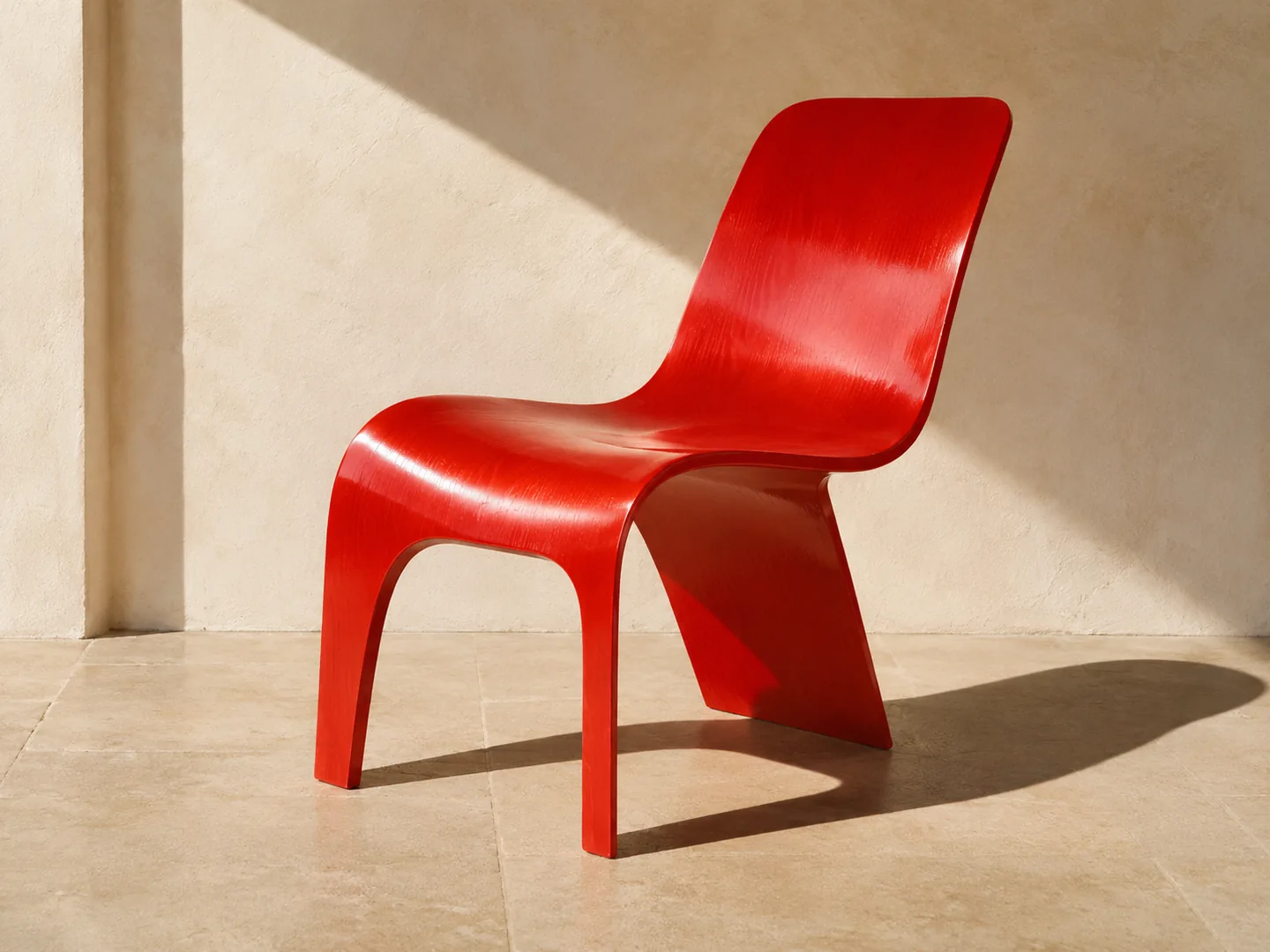
One vivid seat can change how a whole room reads. The trick is deciding where the red should stop.