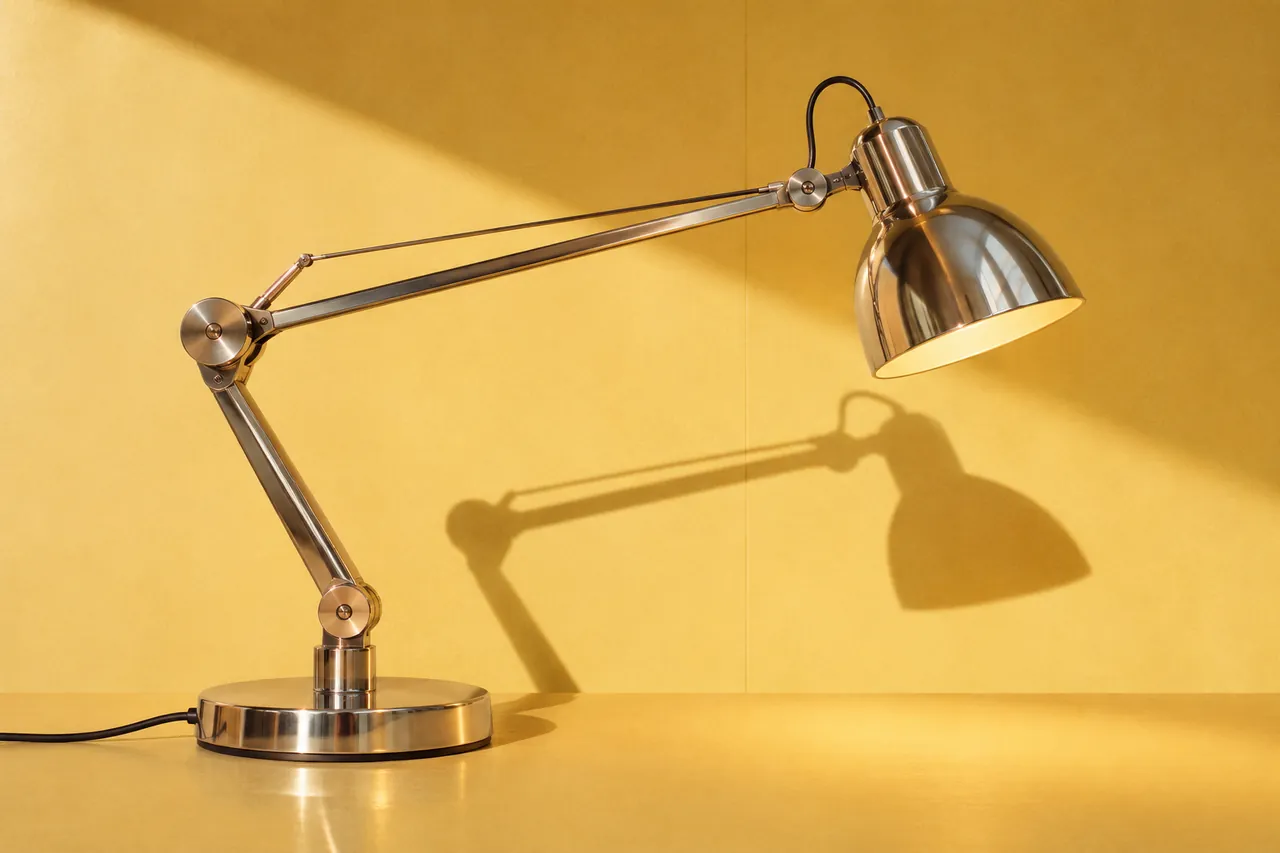
A lamp for the last hour.
A desk lamp earns its place by reaching the page, clearing the screen and leaving room for an elbow.
A shelf, a hook and a well-placed dish can give even a short stretch of hallway a purpose.
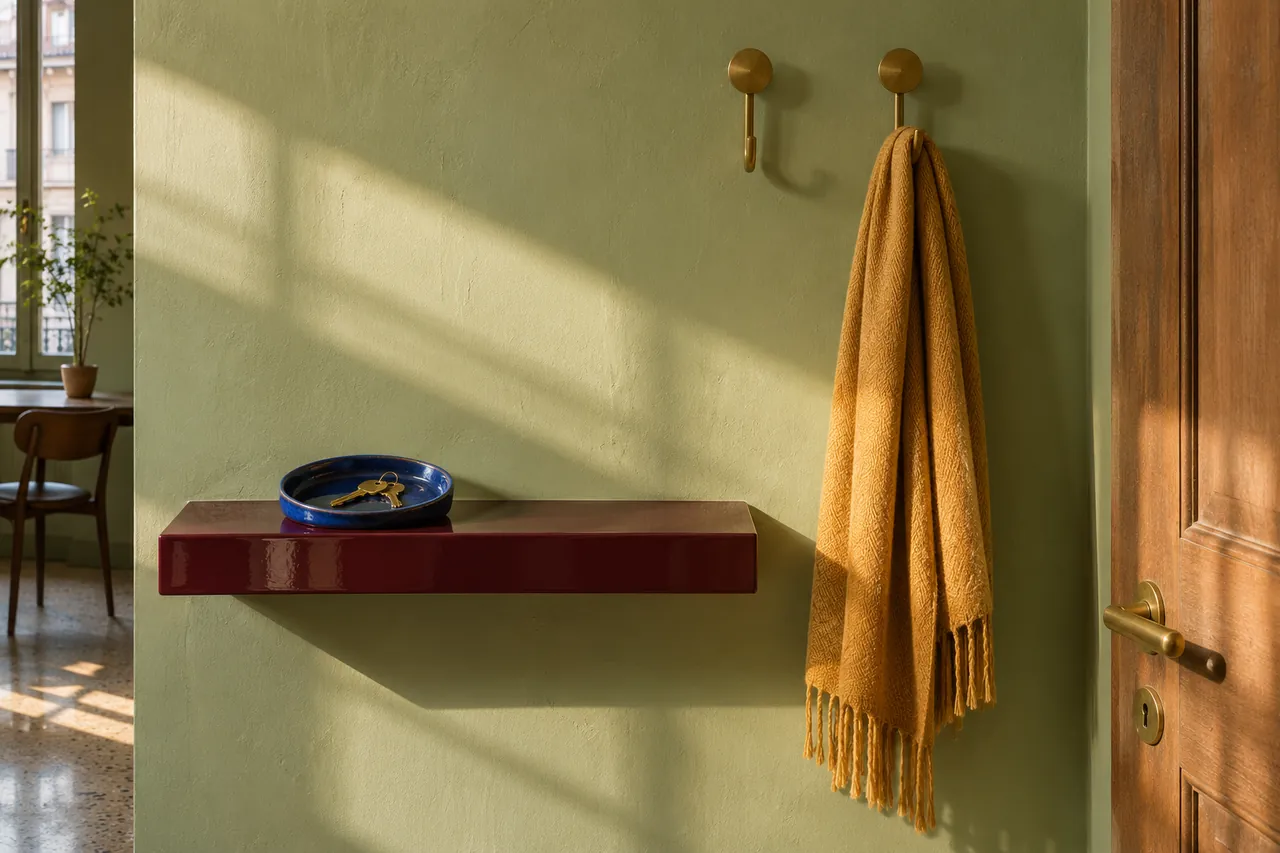
Coming home is a sequence you can watch. The key comes out of the lock. A bag slips off one shoulder. A damp scarf needs somewhere to hang. In a narrow hallway, those few seconds make a better brief for the space than a photograph of a finished entryway.
Walk in carrying what you came home with yesterday. Notice which hand is free and where your body turns. Balance a dish on an existing surface at that point and use it for a few evenings. If your keys still land somewhere else, move the dish to the place you keep choosing.
Give a bag its own spot. A key dish beneath a hanging tote looks neatly arranged when the tote is empty. Once it is holding a loaf of bread and a water bottle, the dish can become quite difficult to reach.
Fold a piece of cardboard to the depth of a shelf you are considering and hold it against the wall. Have someone open the door all the way, carry a full shopping bag past it and turn toward the next room. Try the same exercise with a coat on the proposed hook. The sleeve will tell you more than a measurement of the bare hook.
For a reference point, IKEA’s TRONES cabinet is 7⅛ inches deep. Its top gives keys a landing spot and its front opens for storage. The company requires the cabinet to be secured to the wall. Allow room for both the open front and the person using it when you sketch the layout.
Choose one small place for things going out again, such as a letter to post or a book to return. Give it a week. If the dish or shelf becomes a permanent home for old receipts, reduce its size or move the outgoing things closer to your hand. A good entry earns its keep at both ends of the day.
These links go directly to the sources. Our editorial standards
A desk lamp earns its place by reaching the page, clearing the screen and leaving room for an elbow.
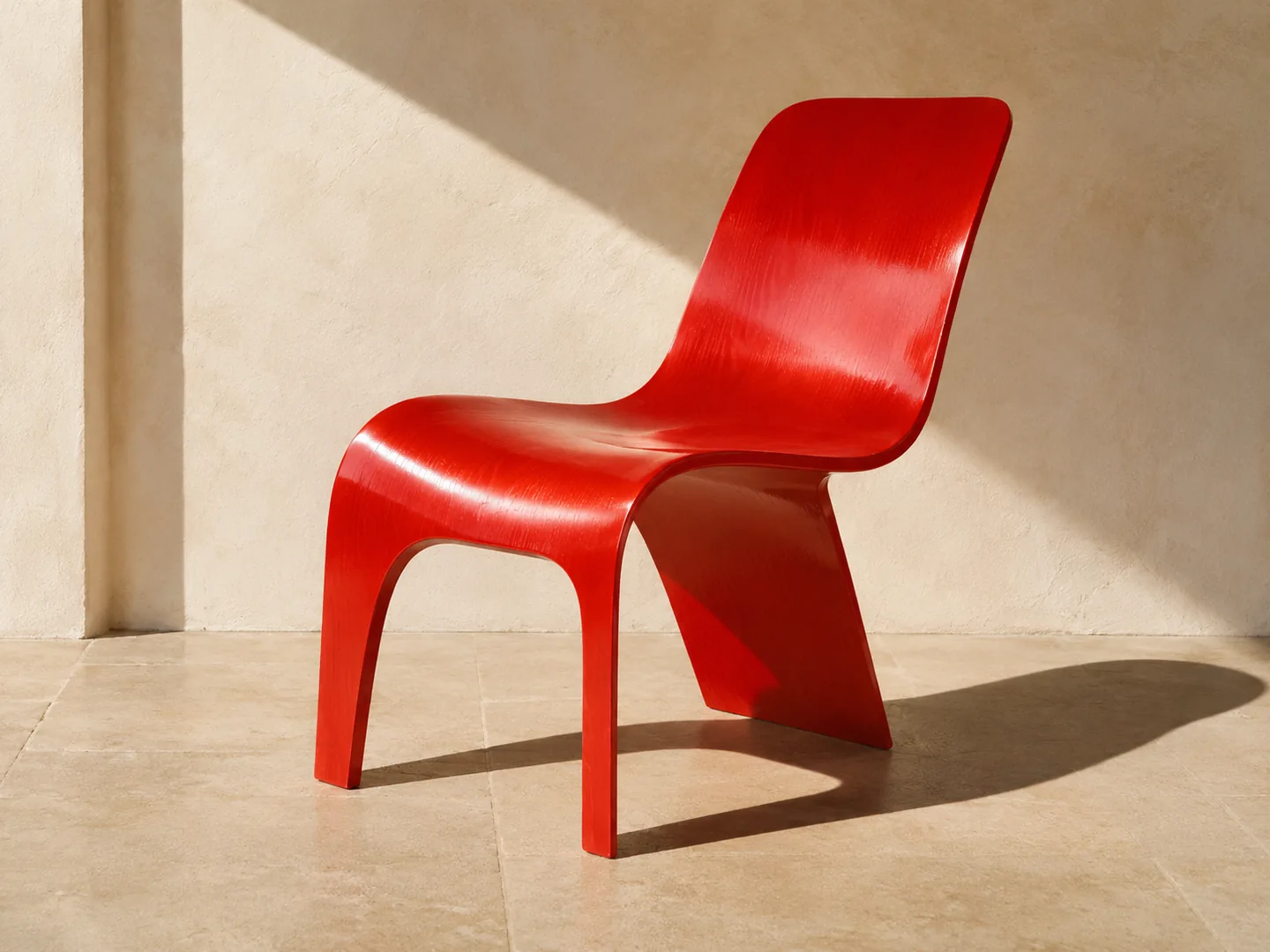
One vivid seat can change how a whole room reads. The trick is deciding where the red should stop.