A better morning pour.
An open cone and a switchable brewer ask different things of the person holding the kettle.
One vivid seat can change how a whole room reads. The trick is deciding where the red should stop.
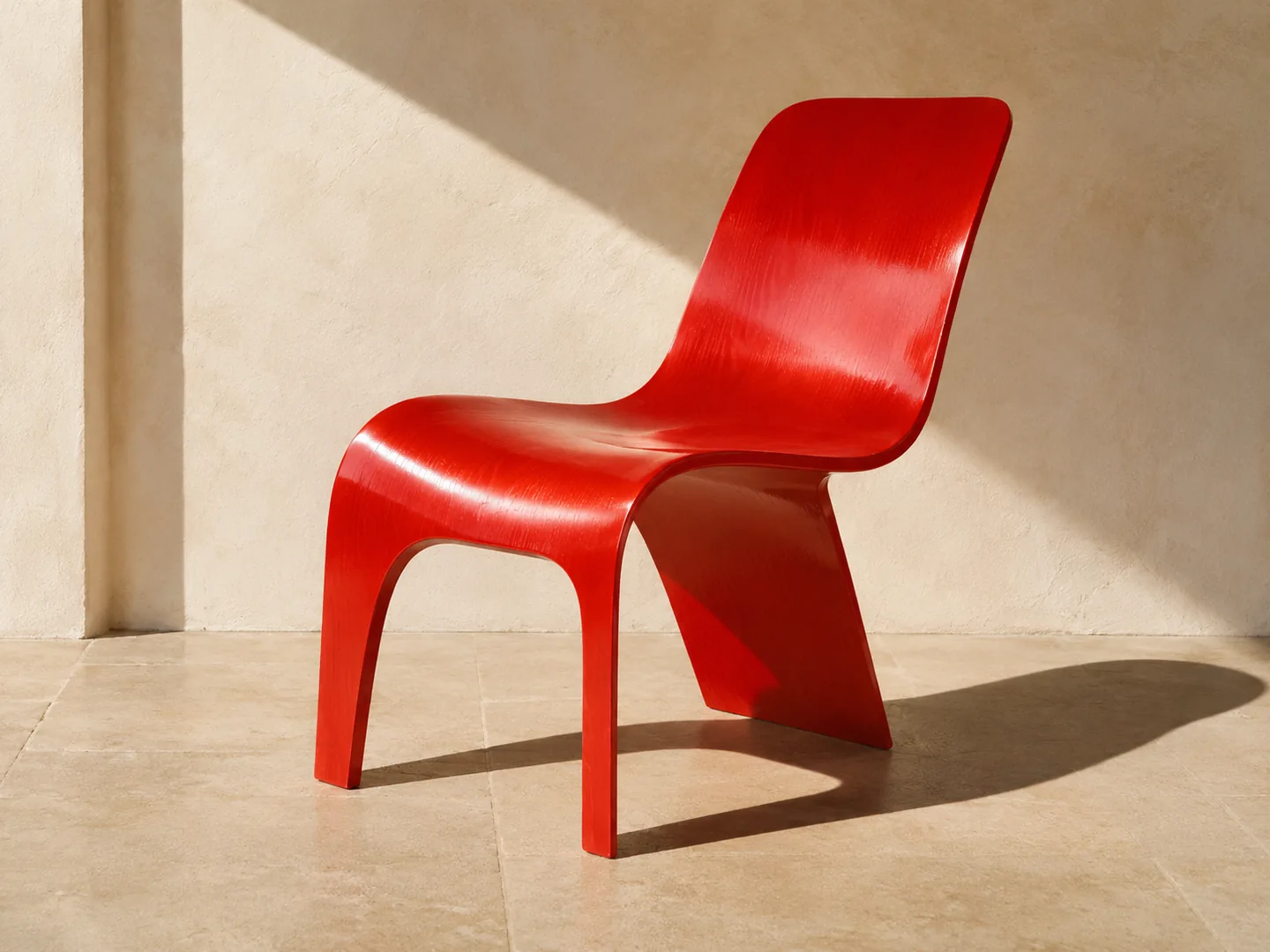
Picture the chair at the end of a kitchen table, its back just visible from the hall. A red seat can make that ordinary view feel composed. When someone pulls it out for dinner, the color moves with them. That modest piece of theater is a good reason to choose a chair for a first experiment with color.
Stand in the doorway you use most often. Lay a red sweater across the back of an existing chair, then tuck it onto the seat. Those two positions put roughly the same amount of color in the room, yet the view from the hall changes completely. A red back stays in sight when the chair is pushed in. A red seat can disappear under the table.
Leave the sweater there until evening. Check it against the wood, floor and curtains under the lamps you actually use. A shop photograph can tell you about the shape. Your own room supplies the neighbors.
Vitra’s two Panton chairs offer a way to see what finish contributes. The Panton Chair comes in polypropylene and a shade Vitra calls classic red. Its Panton Chair Classic has a glossy lacquer finish and is also offered in red. Compare where the highlights run along the back in the maker’s pictures. On a broad curve, the reflection can become a second line drawn across the color.
For a smaller dose of red, look for an open back or a slim frame. The wall showing through becomes part of the design. A broad, continuous shell gives the color the whole outline.
Measure a seat that people already like at your table. Write down its height, width and distance to the underside of the tabletop. Then pull it out as if someone were getting up with a plate in hand. Take those measurements shopping. A red chair earns its place twice, once from the doorway and once at dinner.
These links go directly to the sources. Our editorial standards
An open cone and a switchable brewer ask different things of the person holding the kettle.
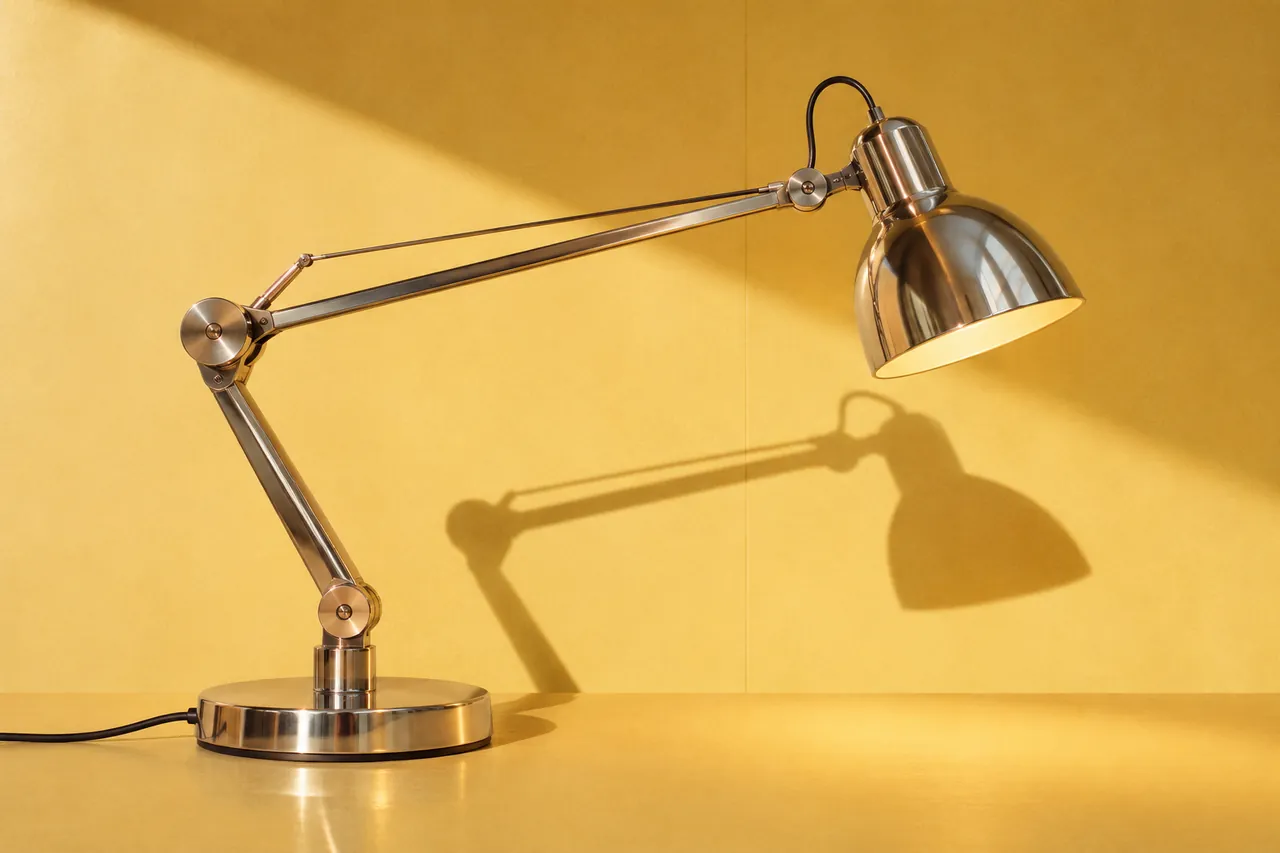
A desk lamp earns its place by reaching the page, clearing the screen and leaving room for an elbow.